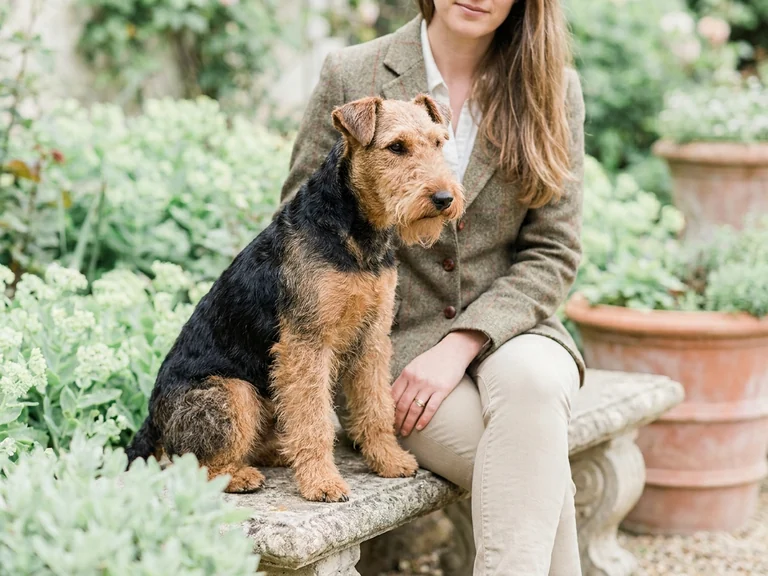

Shetland Sheepdog
BREED REALITY SNAPSHOT

Shetland Sheepdog reality check

Shetland Sheepdogs can be responsive, affectionate herding companions, but the fit depends on barking tolerance, mental stimulation, coat care, sensitivity, and movement management. This Breed Check focuses on daily training, noise-aware routines, children and pets, and the work behind a smaller herding dog.

Best for
  • Owners who enjoy training, pattern games, and gentle structure
  • Homes that can manage barking triggers and movement around children or pets
  • People prepared for coat care, sensitivity, and regular mental work
Minimum needs
  • Daily walks plus training games, calm settling practice, and predictable routines
  • Noise management around doors, windows, visitors, and shared walls
  • Brushing, coat cleanup, dental care, nail care, and preventive health planning
Watch out for
  • Barking and herding instinct can become household stress without management
  • A sensitive dog may not respond well to harsh handling or chaotic routines
  • Mental stimulation is not optional just because the breed is smaller
Lean decision pilot

What matters most before choosing this breed

A smaller herding frame still brings barking, sensitivity, coat care, and daily mental work.

May fit you if

  • You enjoy training games and can give a sensitive dog predictable routines.
  • You can manage alert barking around doors, visitors, movement, and shared walls.
  • Your household can supervise children or pets without encouraging herding habits.

Mental work is a daily requirement

Shetland Sheepdog fit should not be framed as an easy small-dog shortcut. Runtime activity, mental-stimulation, and trainability fields point toward a dog that often needs pattern games, manners work, calm settling, and regular practice to feel organized. A good match enjoys teaching skills and repeating routines on normal weekdays, not only when training is fun. Without that structure, sensitivity and alertness can become barking, worry, or busy household monitoring. The page should make mental work a core ownership task before breed charm leads.

Barking and herding need a plan

Scoring V2 noise, child-age, pets, and handling dimensions make Sheltie fit more specific than size or affection. Doors, windows, running children, visitors, and neighborhood sounds can become triggers if routines are loose. This does not rule out apartments or families, but it raises the bar for supervision, reward-based quiet practice, and movement boundaries. Owners should also plan brushing and coat cleanup. The stronger fit is a home that can keep daily life calm enough for a responsive dog most ordinary days.

Keep in mind

  • Barking and herding instincts need training, supervision, and realistic neighbor-aware routines.
  • Genetic, eye, and medication-sensitivity questions should be discussed with qualified professionals.

Run the matcher to compare barking tolerance, mental work, and household motion.

Practical trait levels

Trait levels are practical guidance, not guarantees. Individual dogs vary.

Activity need3/5
LowerHigher
Mental stimulation4/5
SimpleDemanding
Handling difficulty3/5
EasierHarder
Owner experience required3/5
BeginnerExperienced
Grooming / shedding4/5
LowerHigher
Drool / mess1/5
LowerHigher
Barking / noise5/5
QuieterLouder
Climate sensitivity2/5
FlexibleSensitive
Care cost pressure3/5
LowerHigher
Responsible ownership. Breed fit is only one part of responsible dog ownership. A good match still needs time, training, vet care, supervision, and budget.

7-question reality check ยท no signup