
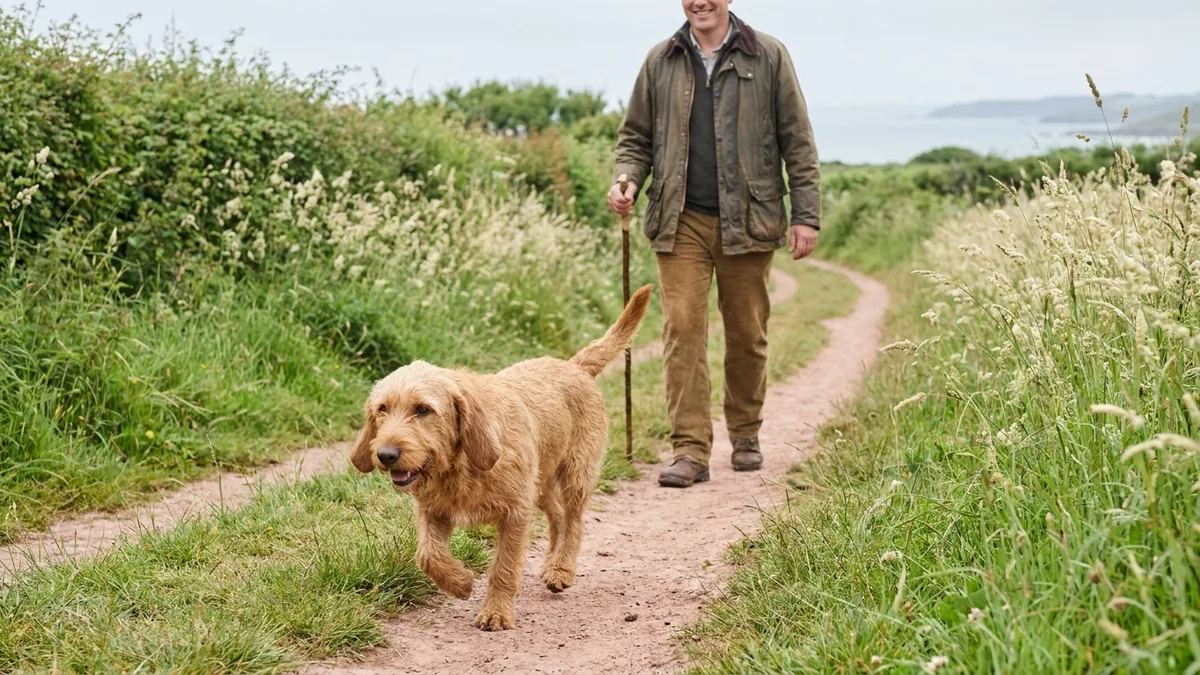
The Basset Fauve de Bretagne is a small scent hound with a practical working-dog background. This Breed Check focuses on nose-led walks, recall management, coat care, independence, and the daily structure needed for a cheerful but purposeful hound.
Best for
Homes that enjoy scent-led walks and can manage a hound on leash
Owners prepared for independence without expecting instant recall reliability
Households that can provide steady exercise, supervision, and routine grooming
Minimum needs
Daily walks with safe sniffing time and secure leash habits
Training that rewards attention while respecting scent-hound instincts
Routine coat, ear, dental, and nail care
A secure home setup that prevents scent-led wandering
Watch out for
Scent drive can override recall if off-leash boundaries are loose
Independence may require patient, consistent handling
Breed rarity can make local expertise and responsible sourcing more important
Lean decision pilot
What matters most before choosing this breed
A compact hound frame can mislead; scent drive, recall limits, barking, and secure routines decide fit.
May fit you if
You enjoy nose-led walks and can keep leash, gates, and recall expectations realistic.
You can offer daily movement, sniffing games, and calm training without harsh pressure.
Your home can manage hound noise, food motivation, and outdoor curiosity.
Scent drive shapes the whole routine
Basset Fauve de Bretagne fit should be judged as a small working hound, not a low-effort novelty. Runtime handling and prey-drive signals point toward leash discipline, secure gates, food management, and training that rewards attention without fighting scent instincts. A good home can enjoy sniffing walks and cheerful independence while still preventing roaming, door-dashing, or unreliable off-leash habits. If the owner wants automatic recall or a dog that ignores wildlife and food smells, the breed may create daily friction despite its manageable size.

Noise and space fit need a realistic plan
The breed can be physically compact, but apartment fit depends on sound tolerance and exercise structure. Scoring V2 housing and noise dimensions make barking, scent frustration, shared walls, and alone-time routines part of the decision. This page should ask whether the owner can provide sniffing outlets, quiet-settling practice, and enough supervision outdoors. A small yard or local walking route may help, but it does not replace training. Without that structure, hound voice and curiosity can become the ownership pain points.
Keep in mind
Scent-hound recall needs secure management; off-leash freedom should not be assumed.
Ear, weight, skin, and back comfort should be discussed with a qualified veterinarian when planning care.
Use the matcher to compare hound drive, noise tolerance, and secure exercise options.
Practical trait levels
Trait levels are practical guidance, not guarantees. Individual dogs vary.
Activity need3/5
LowerHigher
Mental stimulation4/5
SimpleDemanding
Handling difficulty3/5
EasierHarder
Owner experience required3/5
BeginnerExperienced
Grooming / shedding3/5
LowerHigher
Drool / mess2/5
LowerHigher
Barking / noise4/5
QuieterLouder
Climate sensitivity3/5
FlexibleSensitive
Care cost pressure3/5
LowerHigher
Responsible ownership. Breed fit is only one part of responsible dog ownership. A good match still needs time, training, vet care, supervision, and budget.