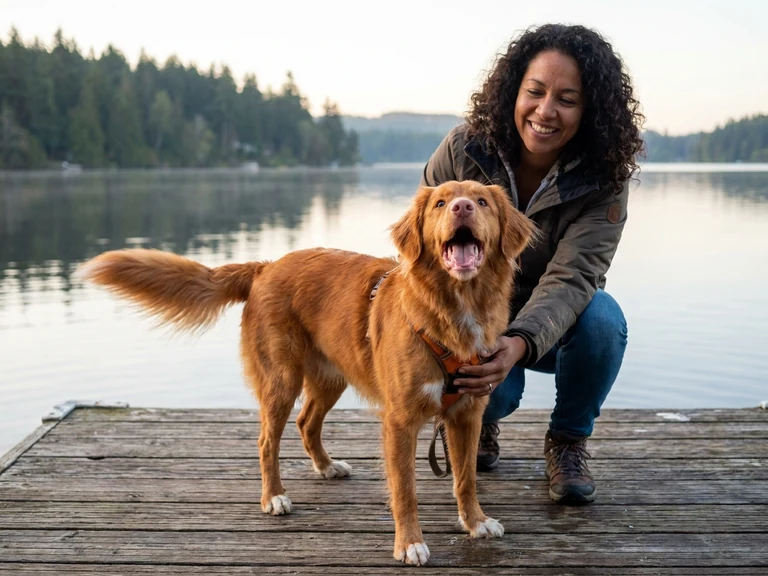

Russell Terrier
BREED REALITY SNAPSHOT

Russell Terrier reality check

Russell Terriers are small but intensely energetic working terriers, and their drive is easy to underestimate. This Breed Check focuses on high exercise, strong prey instinct, vocal tendencies, and the consistent training and enrichment needed to keep a busy terrier mind occupied.

Best for

  • Active owners who can channel a high-energy, quick-thinking terrier
  • Homes ready for daily exercise, games, and structured enrichment
  • People prepared to manage barking, digging, and a strong chase instinct

Minimum needs

  • Vigorous daily activity plus mental work, not just short walks
  • Consistent, reward-based training for recall, manners, and impulse control
  • Secure spaces and leash habits that account for prey drive and escape attempts

Watch out for

  • Under-exercised terriers can become noisy, bored, and destructive
  • Prey drive can make loose off-leash time risky around small animals
  • This is an active working breed, not a low-effort small companion

Saved on this device — no account needed.

Breed decision guide

What matters most before choosing this breed

Small terrier size comes with serious energy, prey drive, barking, and enrichment needs.

May fit you if

  • You can provide vigorous daily activity, training games, and problem-solving work.
  • You can manage barking, digging, chasing, recall limits, and small pets.
  • Your home wants terrier intensity rather than a quiet lapdog routine.

This small dog still needs a job

Russell Terrier fit should start with working-terrier energy, not height. Activity, prey-drive, barking, digging, and handling signals point toward brisk walks, games, scent work, recall practice, secure yards, and clear house rules. A good match enjoys a busy dog and can keep the brain occupied before noise or destruction becomes routine. The mismatch appears when a household chooses the breed for compact size while expecting quiet behavior, easy off-leash control, or low daily engagement around wildlife and visitors at home.


Space matters less than outlets and noise control

Owner-fit factors around apartment life, children, pets, tolerance, and training make Russell Terrier recommendations practical. Shared walls, cats, small pets, running children, open gates, and gardens can all change fit without structure. A stronger home has enrichment, leash discipline, quiet practice, supervised play, and realistic recall expectations. This guidance asks whether the owner wants terrier behavior and can channel it every day, rather than assuming a smaller body will automatically fit a smaller or calmer home by default long term.

Keep in mind

  • Prey drive, barking, digging, and escape risk need secure routines and training.
  • Eye, patella, deafness, lens, dental, and orthopedic questions should be discussed with qualified professionals.
Run the matcher to compare terrier energy, noise, prey drive, and training bandwidth.

Practical trait levels

Trait levels are practical guidance, not guarantees. Individual dogs vary.

Activity need5/5
LowerHigher
Mental stimulation5/5
SimpleDemanding
Handling difficulty3/5
EasierHarder
Owner experience required4/5
BeginnerExperienced
Grooming / shedding3/5
LowerHigher
Drool / mess1/5
LowerHigher
Barking / noise4/5
QuieterLouder
Climate sensitivity3/5
FlexibleSensitive
Care cost pressure3/5
LowerHigher
Keep comparing

Compare similar breeds and lower-friction alternatives before deciding.

Quick 7-question breed check

Get a first look at whether this breed may fit your home, routine, and expectations.

Instant results · no signup

Full 17-question matcher

Get a more complete recommendation across breeds.

Instant results · no signup

Cookie preferences

PerfectDogMatch uses essential cookies to keep the site working. Optional analytics cookies only load if you accept them.

Cookie Policy