
Australian Shepherd
BREED REALITY SNAPSHOT

Australian Shepherd reality check

Australian Shepherds can be athletic and responsive, but they need more than an active label. This Breed Check focuses on daily training, mental work, herding behavior, coat care, family routines, and the difference between occasional exercise and repeatable structure.

Best for
  • Owners who can provide training, exercise, and problem-solving most days
  • Homes prepared to manage herding behavior around movement and excitement
  • People who enjoy a responsive dog and can set consistent boundaries
Minimum needs
  • Daily exercise paired with training games, sniffing, skills, and calm recovery
  • Supervision around running children, small pets, bikes, and busy doors
  • Regular coat care, shedding cleanup, preventive care, and routine management
Watch out for
  • Herding drive may become chasing or nipping if outlets and boundaries are weak
  • A busy dog can still struggle if the routine lacks mental structure
  • This breed is not a casual fit for sedentary or chaotic schedules
Lean decision pilot

What matters most before choosing this breed

Aussies reward active structure, but herding drive, mental load, and household motion need daily management.

May fit you if

  • You can provide training, exercise, and problem-solving on ordinary weekdays.
  • You can manage herding behavior around children, pets, visitors, and movement.
  • You want a responsive dog and are ready for coat care and routine boundaries.

Activity must include a job-like routine

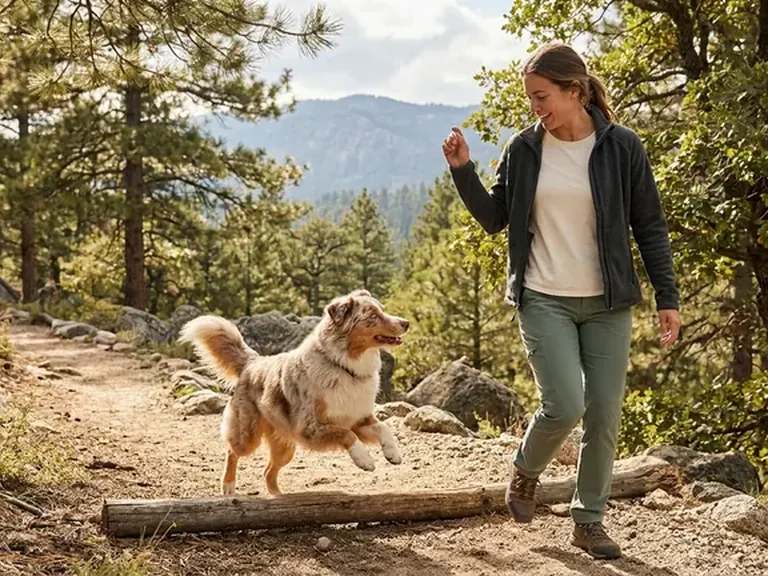
Australian Shepherd fit should not be reduced to being active. Runtime activity, mental-stimulation, and trainability signals point toward a dog that often needs repeated tasks, games, training, and clear calm periods. The breed can be impressive when the owner enjoys structure, but it can be frustrating if exercise is irregular or if the dog is expected to relax after only a short walk. The page should make weekday commitment the decision point before style or popularity, including time for decompression.
Motion and excitement need supervision

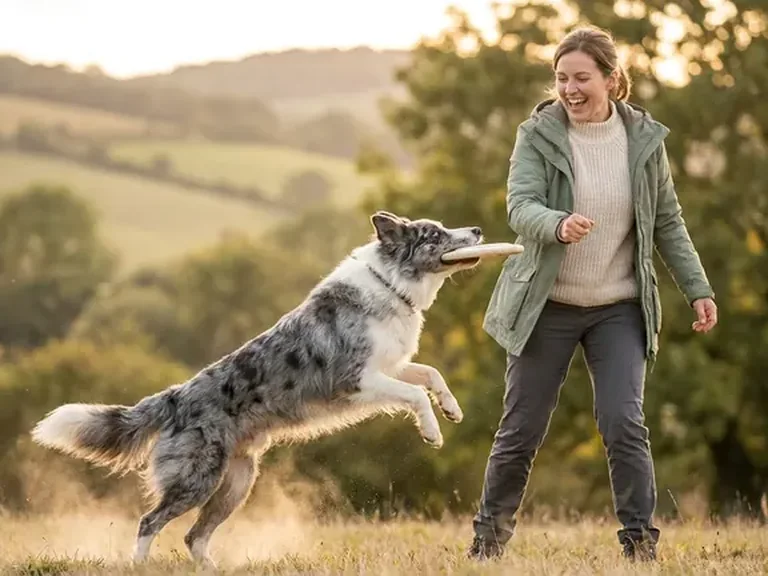
Scoring V2 child age, pets, and handling signals are important because herding behavior can show up around running children, small pets, bikes, and busy guests. This does not make the breed unsuitable for every family, but it does require training, supervision, and better outlets for that drive. The strongest fit is a household that can reward calm choices, prevent rehearsal of chasing or nipping, and keep routines predictable when the home gets loud or crowded. Planning matters before adolescence intensifies behavior.

Keep in mind

  • Herding behavior around movement needs training, supervision, and appropriate outlets.
  • Daily structure matters more than occasional intense exercise.

Use the matcher to test activity, motion management, and training bandwidth.

Practical trait levels

Trait levels are practical guidance, not guarantees. Individual dogs vary.

Activity need5/5
LowerHigher
Mental stimulation5/5
SimpleDemanding
Handling difficulty4/5
EasierHarder
Owner experience required4/5
BeginnerExperienced
Grooming / shedding3/5
LowerHigher
Drool / mess1/5
LowerHigher
Barking / noise4/5
QuieterLouder
Climate sensitivity2/5
FlexibleSensitive
Care cost pressure3/5
LowerHigher
Responsible ownership. Breed fit is only one part of responsible dog ownership. A good match still needs time, training, vet care, supervision, and budget.

7-question reality check ยท no signup