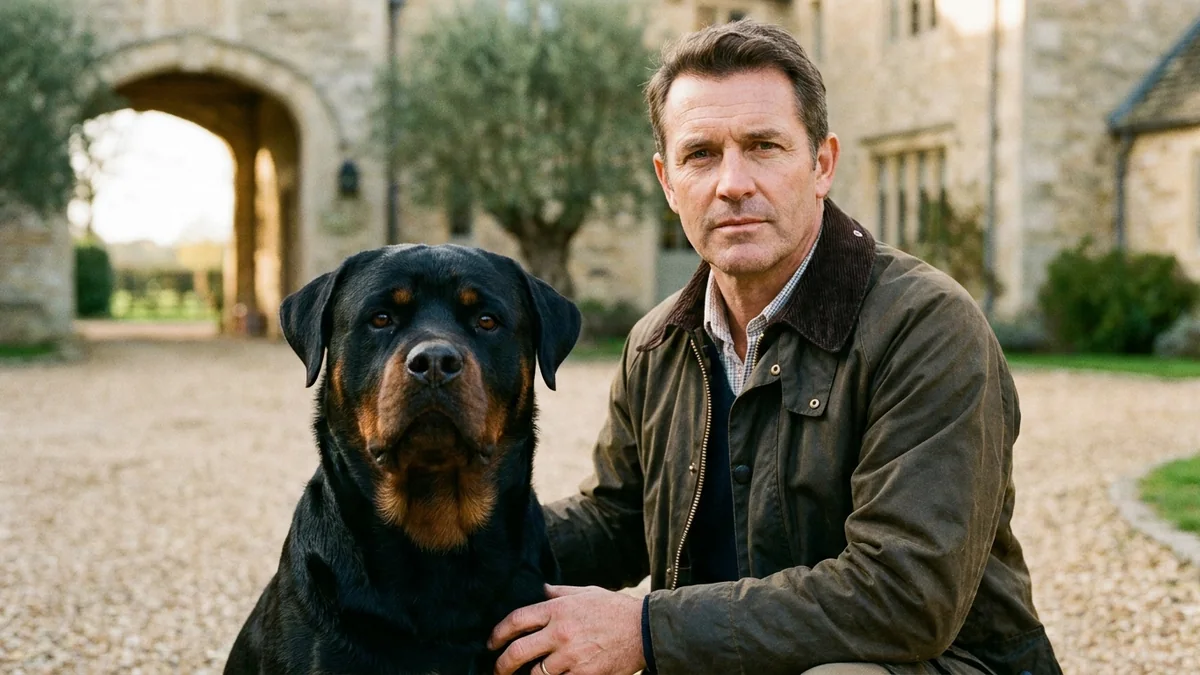
Rottweilers can be capable, steady companions in the right hands, but strength and guarding tendencies require serious planning. This Breed Check focuses on owner experience, training, socialization, local context, visitor routines, physical handling, and whether the household has a clear management plan.
Best for
Experienced or well-supported owners who want structured training work
Homes prepared for strength, boundaries, visitor management, and leash skills
People who will check local rules, insurance context, and housing restrictions
Minimum needs
Early training, socialization, safe handling, and predictable household routines
Daily exercise with calm structure, enrichment, and recovery time
Clear plans for visitors, children, public spaces, and veterinary handling
Watch out for
This is not a casual first-dog choice without support and preparation
Guarding behavior, strength, and public perception can affect daily life
Local legislation, housing, or insurance rules may influence ownership feasibility
Lean decision pilot
What matters most before choosing this breed
Strength and guardian instincts require experience, structure, socialization, and local-context planning.
May fit you if
You have experience or professional support for a powerful working breed.
You can manage visitors, children, public spaces, leash skills, and boundaries.
You will check housing, insurance, and local rules before committing.
This is a handling-first decision
Rottweiler fit should be filtered through owner readiness before reputation or appearance. Runtime handling, guarding, and owner-experience fields point toward a strong dog that needs early training, socialization, leash discipline, visitor routines, and calm boundaries. A good match may be deeply committed and structured. A poor match may rely on intimidation, unclear rules, or casual management. The page should make experience, coaching, and daily consistency explicit so users understand the responsibility before the breed becomes an emotional choice. Preparation should be visible.
Household context matters
Scoring V2 child-fit, handling strength, and safety dimensions make this page especially cautious. Children, guests, apartments, shared spaces, veterinary visits, and public walks all require a clear plan. Local legislation, landlord rules, insurance limits, and community perception may also affect feasibility. This is not a judgment on individual dogs, but it is a real ownership constraint. The strongest fit is a household that can combine training, supervision, secure management, and legal awareness without cutting corners or improvising. Written routines may help.
Keep in mind
Check local rules, housing, insurance, and professional training options before committing.
Strength and guarding tendencies require socialization, supervision, and clear management.
Use the matcher to compare experience, local constraints, and handling readiness.
Practical trait levels
Trait levels are practical guidance, not guarantees. Individual dogs vary.
Activity need3/5
LowerHigher
Mental stimulation4/5
SimpleDemanding
Handling difficulty5/5
EasierHarder
Owner experience required5/5
BeginnerExperienced
Grooming / shedding2/5
LowerHigher
Drool / mess3/5
LowerHigher
Barking / noise2/5
QuieterLouder
Climate sensitivity3/5
FlexibleSensitive
Care cost pressure4/5
LowerHigher
Responsible ownership. Breed fit is only one part of responsible dog ownership. A good match still needs time, training, vet care, supervision, and budget.