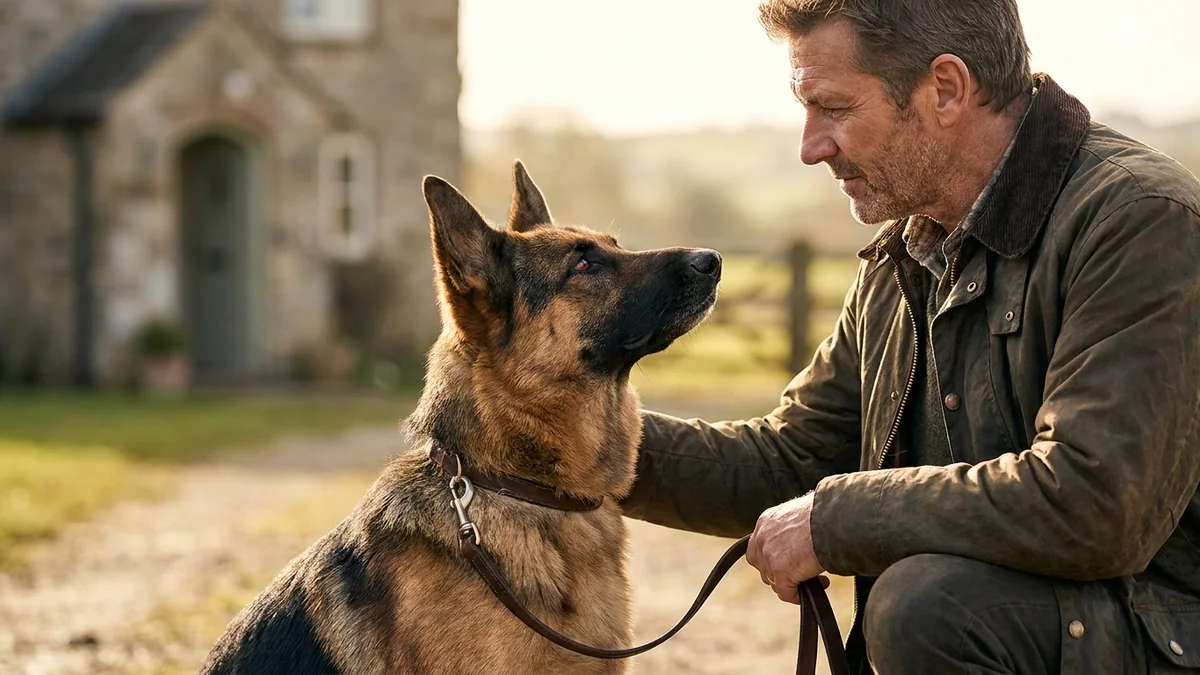
German Shepherds can be capable, trainable partners, but they are not a shortcut to protection or an easy first large dog. This Breed Check focuses on training structure, handling comfort, exercise, social routines, visitor management, and realistic expectations for a strong working breed.
Best for
Owners who enjoy structured training, manners work, and daily enrichment
Homes prepared to manage size, strength, visitors, leash skills, and boundaries
Families that can supervise children and keep greetings and play controlled
Minimum needs
Daily exercise with purposeful training, mental work, and calm recovery time
Consistent socialization, visitor routines, leash manners, and safe handling
Budget and time for preventive care, equipment, training support, and grooming
Watch out for
Guarding tendencies and strength require thoughtful management, not casual assumptions
Under-stimulation or unclear rules can create serious household stress
This breed is best evaluated against owner experience and routine, not reputation alone
Lean decision pilot
What matters most before choosing this breed
A capable working profile can be rewarding, but training, handling, exercise, and guarding expectations need structure.
May fit you if
You want a trainable, purposeful dog and can provide daily structure.
You are comfortable managing size, strength, visitors, and leash manners.
Your household can supervise children and avoid using the dog as a security shortcut.
Handling is a core fit gate
German Shepherd fit depends on more than admiration for intelligence. Runtime handling, guarding, and owner-experience signals point toward a dog that often needs consistent training, calm leadership, visitor management, and clear household rules. The better match is an owner who can build manners before problems appear, not someone hoping instinct will solve safety or security concerns. Size and strength also make leash skills, greetings, and child supervision more important than they may feel during puppy selection. A realistic plan should include training help if confidence is low.
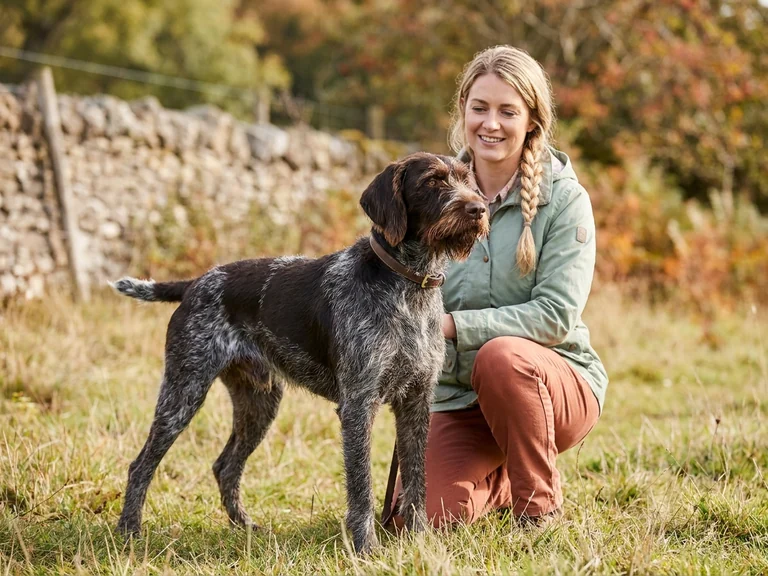
Purposeful work beats casual exercise
This page should frame activity as repeated structure, not just long walks. Scoring V2 mental-stimulation and training dimensions support daily practice, problem-solving, calm settling, and predictable recovery. A German Shepherd may suit active owners who enjoy teaching skills and managing routines, but the breed can become hard to live with if bored, undersocialized, or left to invent its own job. The question is whether the owner can keep training and enrichment consistent on ordinary workdays, including busy weeks when motivation drops.
Keep in mind
Guarding tendencies and strength require careful socialization, training, and visitor management.
Families still need supervision, calm handling, and realistic expectations for the individual dog.
Run the matcher to compare training time, handling comfort, and household structure.
Practical trait levels
Trait levels are practical guidance, not guarantees. Individual dogs vary.
Activity need5/5
LowerHigher
Mental stimulation5/5
SimpleDemanding
Handling difficulty5/5
EasierHarder
Owner experience required5/5
BeginnerExperienced
Grooming / shedding4/5
LowerHigher
Drool / mess2/5
LowerHigher
Barking / noise4/5
QuieterLouder
Climate sensitivity3/5
FlexibleSensitive
Care cost pressure4/5
LowerHigher
Responsible ownership. Breed fit is only one part of responsible dog ownership. A good match still needs time, training, vet care, supervision, and budget.