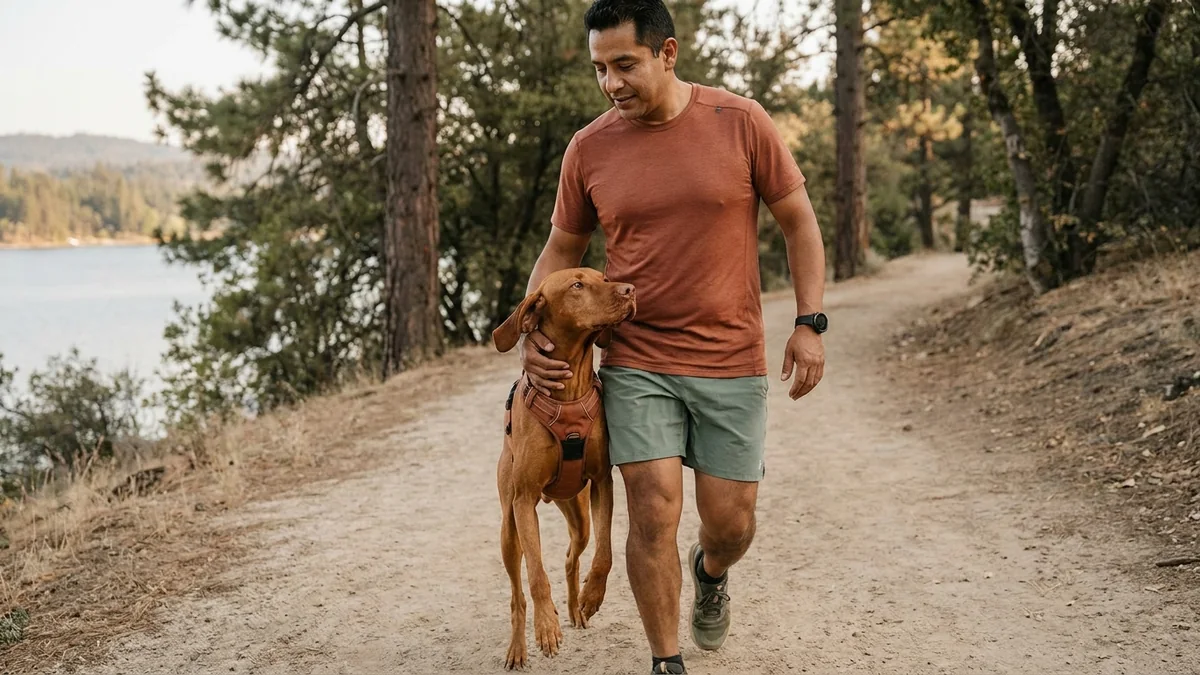
Vizslas are athletic, people-oriented dogs that usually need more than casual exercise. This Breed Check focuses on daily activity, training consistency, sensitivity, alone-time limits, and the commitment required for a close-working companion.
Best for
Active homes that can build exercise and training into most days
Owners who want a close companion and can manage sensitivity with calm structure
Households prepared for supervised family routines and clear boundaries
Minimum needs
Substantial daily exercise with training or scent-style enrichment
A plan for gradual alone-time practice and predictable routines
Consistent handling, recall work, and mental stimulation
Safe outlets for energy before expecting calm indoor behavior
Watch out for
Under-exercised Vizslas may become restless or hard to settle
Sensitivity can make harsh training counterproductive
This breed often does poorly with long, unmanaged alone stretches
Lean decision pilot
What matters most before choosing this breed
Athletic affection is the appeal, but activity, closeness, training, and alone-time tolerance decide fit.
May fit you if
You want an active partner and can provide daily exercise plus training.
Your schedule allows companionship, gradual alone-time practice, and recovery.
You enjoy a sensitive dog that needs structure, not just more stimulation.
Activity needs to be daily and structured
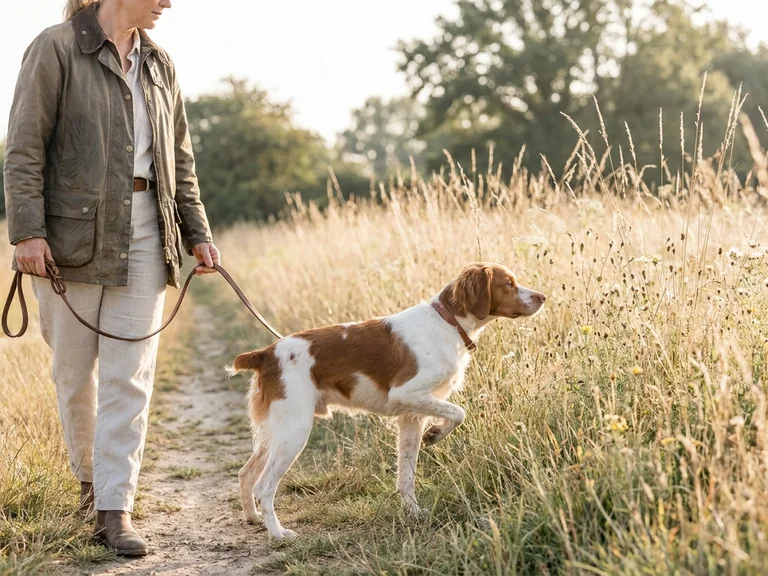
Vizsla fit should be framed as a lifestyle commitment, not a simple active-owner badge. Runtime activity, mental-stimulation, and handling fields point toward a dog that often needs exercise, training, sniffing, problem-solving, and calm recovery on ordinary days. A weekend runner may still struggle if weekdays are sedentary or chaotic. The better match is an owner who enjoys repeating structure, teaching skills, and balancing physical outlets with rest so the dog does not become frustrated, overaroused, or difficult indoors during normal weeks.
Closeness can become the limiting factor
The Velcro reputation is useful only when translated into a schedule question. Scoring V2 now captures hours away, which makes Vizsla fit more concrete: long unmanaged alone stretches are a material risk, especially for owners expecting independence from day one. A good plan includes gradual separation training, predictable routines, enrichment, and human availability after work or school. This breed may be rewarding for active homes, but the page should not recommend it casually to people who need a dog to self-manage most days.
Keep in mind
High activity does not replace training, recovery, or gradual alone-time work.
Sensitive dogs can struggle with harsh handling, chaotic routines, or long solitary days.
Use the matcher to test whether your activity and alone-time pattern fit a Vizsla.
Practical trait levels
Trait levels are practical guidance, not guarantees. Individual dogs vary.
Activity need5/5
LowerHigher
Mental stimulation4/5
SimpleDemanding
Handling difficulty2/5
EasierHarder
Owner experience required3/5
BeginnerExperienced
Grooming / shedding2/5
LowerHigher
Drool / mess1/5
LowerHigher
Barking / noise3/5
QuieterLouder
Climate sensitivity4/5
FlexibleSensitive
Care cost pressure3/5
LowerHigher
Responsible ownership. Breed fit is only one part of responsible dog ownership. A good match still needs time, training, vet care, supervision, and budget.