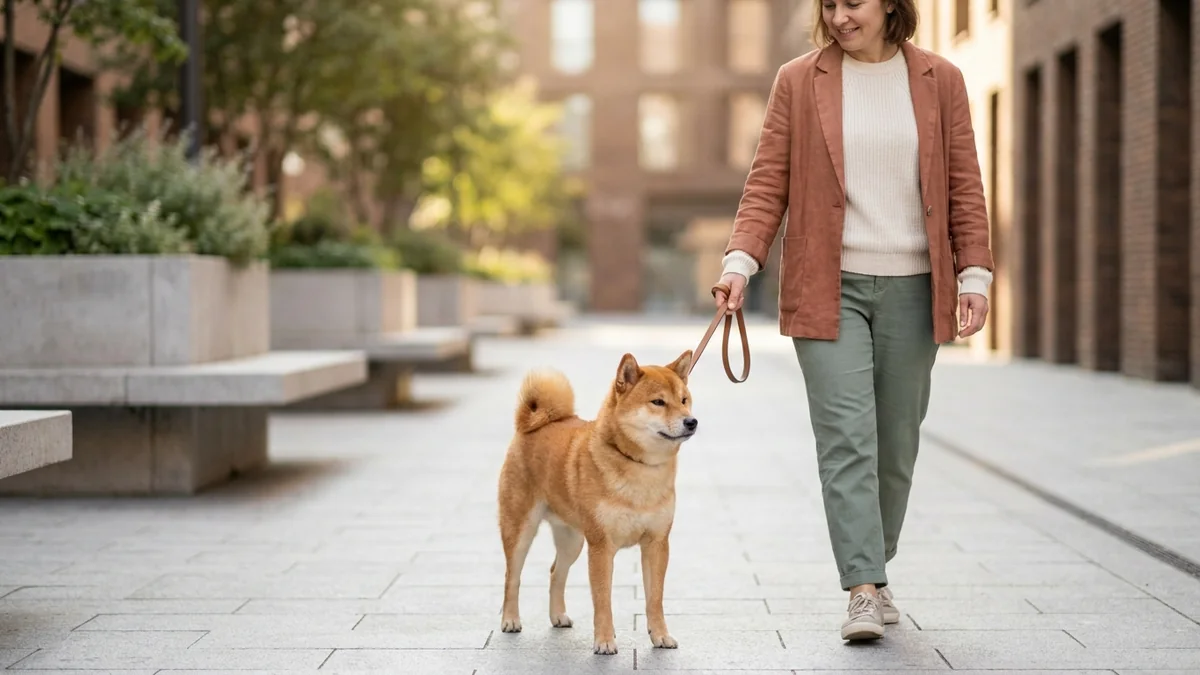
Shiba Inu ownership often works best when independence is expected rather than fought. This Breed Check focuses on handling, recall management, daily structure, grooming, and the need for patient training that respects a self-directed breed.
Best for
Owners who appreciate an independent dog and do not need constant obedience-style responsiveness
Homes prepared for leash management, secure spaces, and careful door routines
Adults or families able to supervise interactions and avoid rough handling
Minimum needs
Consistent training with patience, reward-based structure, and realistic recall expectations
Daily walks, enrichment, and safe outlets for curiosity and movement
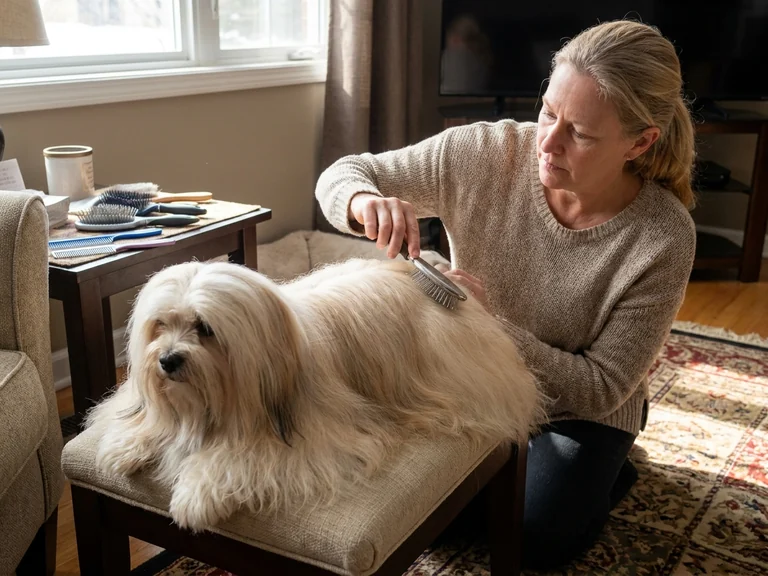
Routine coat care, especially during seasonal shedding periods
A household routine that prevents door-dashing and manages visitors calmly
Watch out for
Independence can feel like stubbornness if expectations are not realistic
Prey drive and escape risk may require careful leash and gate habits
This breed is not a shortcut to an easy first dog; individual temperament still matters
Lean decision pilot
What matters most before choosing this breed
Independence is part of the appeal, but it raises handling, recall, and expectation risks.
May fit you if
You like an independent dog and do not need constant obedience-style responsiveness.
You can manage leashes, gates, doors, visitors, and prey-drive situations carefully.
You are patient with training and comfortable setting realistic boundaries.
Training fit depends on realistic expectations
A Shiba Inu page should not frame independence as a flaw or a novelty. Runtime handling and owner-experience fields make it a central fit question: does the owner enjoy patient training, secure routines, and a dog that may not offer constant responsiveness? Lean v1 should steer users away from expecting instant recall or eager compliance. The better match is someone who can reward cooperation, prevent rehearsed escape habits, and respect a self-directed temperament while still maintaining clear household boundaries daily.
Home setup matters more than size alone
Shibas are not large dogs, but size alone does not decide housing fit. Runtime fields around barking, prey drive, independence, and activity suggest that the practical question is management: secure doors, leash discipline, predictable visitor routines, and enough enrichment to prevent frustration. A small home can work when routines are clear and the dog gets appropriate outlets. A larger home can still be a mismatch if gates, doors, and expectations are loose or if the owner wants an off-leash lifestyle too soon.
Keep in mind
Prey drive and escape risk may require secure leash, gate, and door routines.
This breed is not a shortcut to an easy first dog; individual temperament still matters.
Run the matcher to test whether your training style and home routines fit Shiba independence.
Practical trait levels
Trait levels are practical guidance, not guarantees. Individual dogs vary.
Activity need3/5
LowerHigher
Mental stimulation3/5
SimpleDemanding
Handling difficulty3/5
EasierHarder
Owner experience required4/5
BeginnerExperienced
Grooming / shedding5/5
LowerHigher
Drool / mess1/5
LowerHigher
Barking / noise3/5
QuieterLouder
Climate sensitivity4/5
FlexibleSensitive
Care cost pressure3/5
LowerHigher
Responsible ownership. Breed fit is only one part of responsible dog ownership. A good match still needs time, training, vet care, supervision, and budget.