

Papillon
BREED REALITY SNAPSHOT

Papillon reality check

Papillons are tiny, bright companions with more activity and training interest than their size may suggest. This Breed Check focuses on toy-size handling, barking, cold sensitivity, dental planning, enrichment, and whether the household can protect a small frame while still meeting real dog needs.

Best for
  • Owners who want a small, alert dog and enjoy training games
  • Homes that can supervise stairs, furniture, children, larger pets, and rough play
  • People prepared for daily movement, mental work, and weather-aware routines
Minimum needs
  • Gentle handling rules for children, visitors, stairs, furniture, and larger dogs
  • Training and enrichment that match an active toy companion
  • Dental care, nail care, coat checks, and cold-weather comfort planning
Watch out for
  • Tiny size can increase injury risk in rough or chaotic homes
  • Alert barking may matter in apartments or shared-wall housing
  • Dental, knee, eye, and comfort questions should be planned with qualified guidance
Lean decision pilot

What matters most before choosing this breed

A tiny frame comes with real activity, training, fragility, barking, and cold-weather planning.

May fit you if

  • You want a bright small dog and can provide training games and daily movement.
  • You can supervise stairs, furniture, children, larger pets, and rough play.
  • You can manage alert barking and weather comfort without treating size as low effort.

Tiny does not mean passive

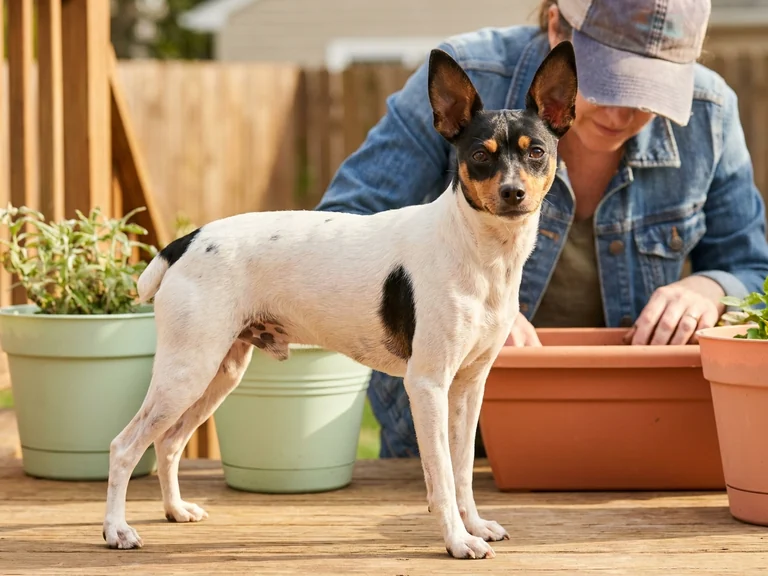
Papillon fit should be framed around an active toy companion, not a low-effort lap ornament. Runtime activity and mental-stimulation fields point toward a dog that often enjoys training, games, walks, and problem-solving despite its size. The best fit can provide outlets without overwhelming a small body. Owners who want a very quiet, self-managing dog may be surprised by alertness and enthusiasm. The page should make training and enrichment part of the everyday decision before emphasizing portability or apartment convenience alone.
Fragility changes household fit

Scoring V2 child-age, handling, noise, and climate dimensions make the Papillon decision more precise. A tiny dog can live happily in many homes, but rough handling, furniture falls, larger pets, and cold or wet weather need active management. The page should ask whether the owner can supervise movement-heavy situations and protect a small frame while still teaching manners. Shared walls also matter if alert barking becomes a habit. Good fit depends on thoughtful routines, not just available physical space alone.

Keep in mind

  • Toy-size dogs need careful handling around children, stairs, furniture, and larger pets.
  • Dental, knee, eye, and comfort concerns should be planned with qualified veterinary guidance.

Use the matcher to compare toy-size handling, activity, noise, and weather fit.

Practical trait levels

Trait levels are practical guidance, not guarantees. Individual dogs vary.

Activity need3/5
LowerHigher
Mental stimulation4/5
SimpleDemanding
Handling difficulty1/5
EasierHarder
Owner experience required2/5
BeginnerExperienced
Grooming / shedding3/5
LowerHigher
Drool / mess1/5
LowerHigher
Barking / noise4/5
QuieterLouder
Climate sensitivity4/5
FlexibleSensitive
Care cost pressure3/5
LowerHigher
Responsible ownership. Breed fit is only one part of responsible dog ownership. A good match still needs time, training, vet care, supervision, and budget.

7-question reality check ยท no signup